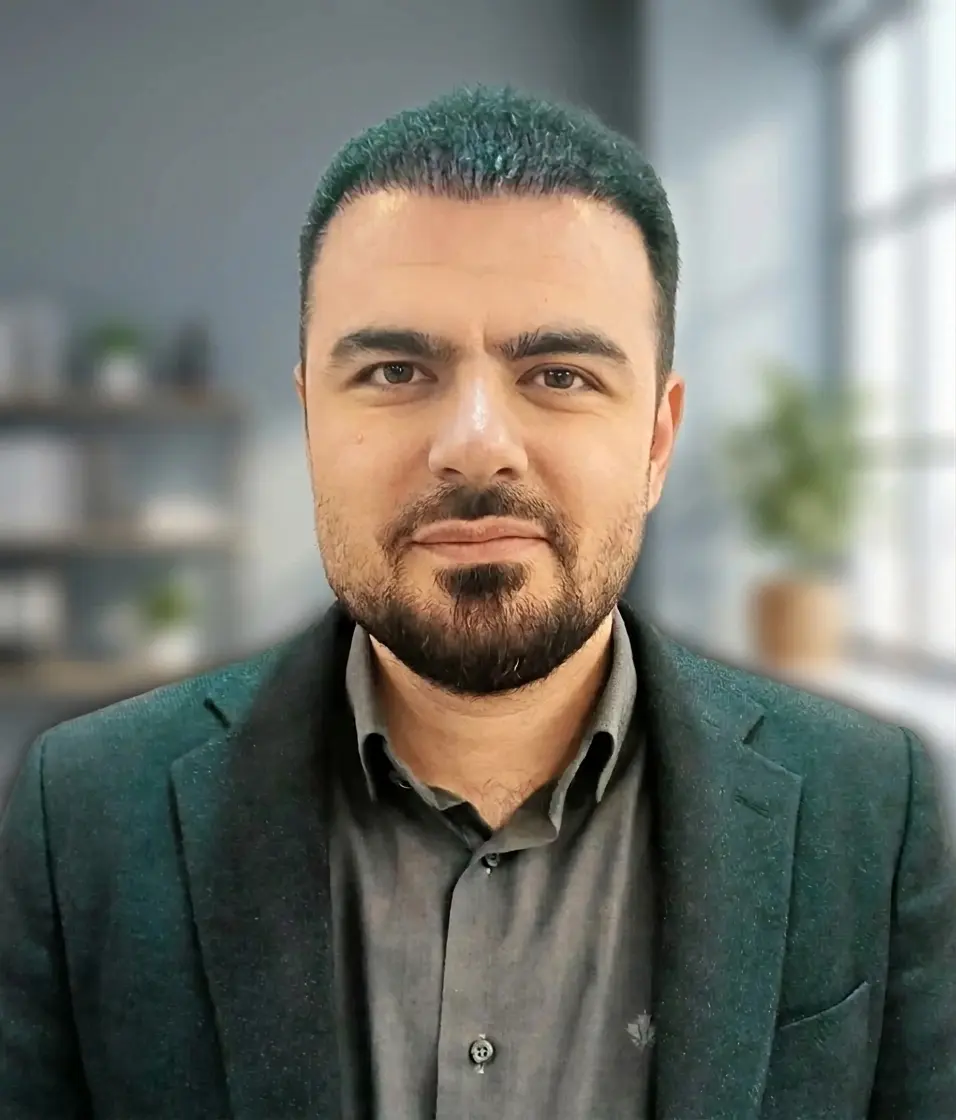
I am Vahid Sohrabifar. I grew up between two worlds of thought — the Persian mystical tradition, where Rumi asked what it means to be alive, and the Western philosophical seminar room, where Nagel and Taylor asked the same question in a different key. For a long time I kept these conversations separate. At some point, I stopped.
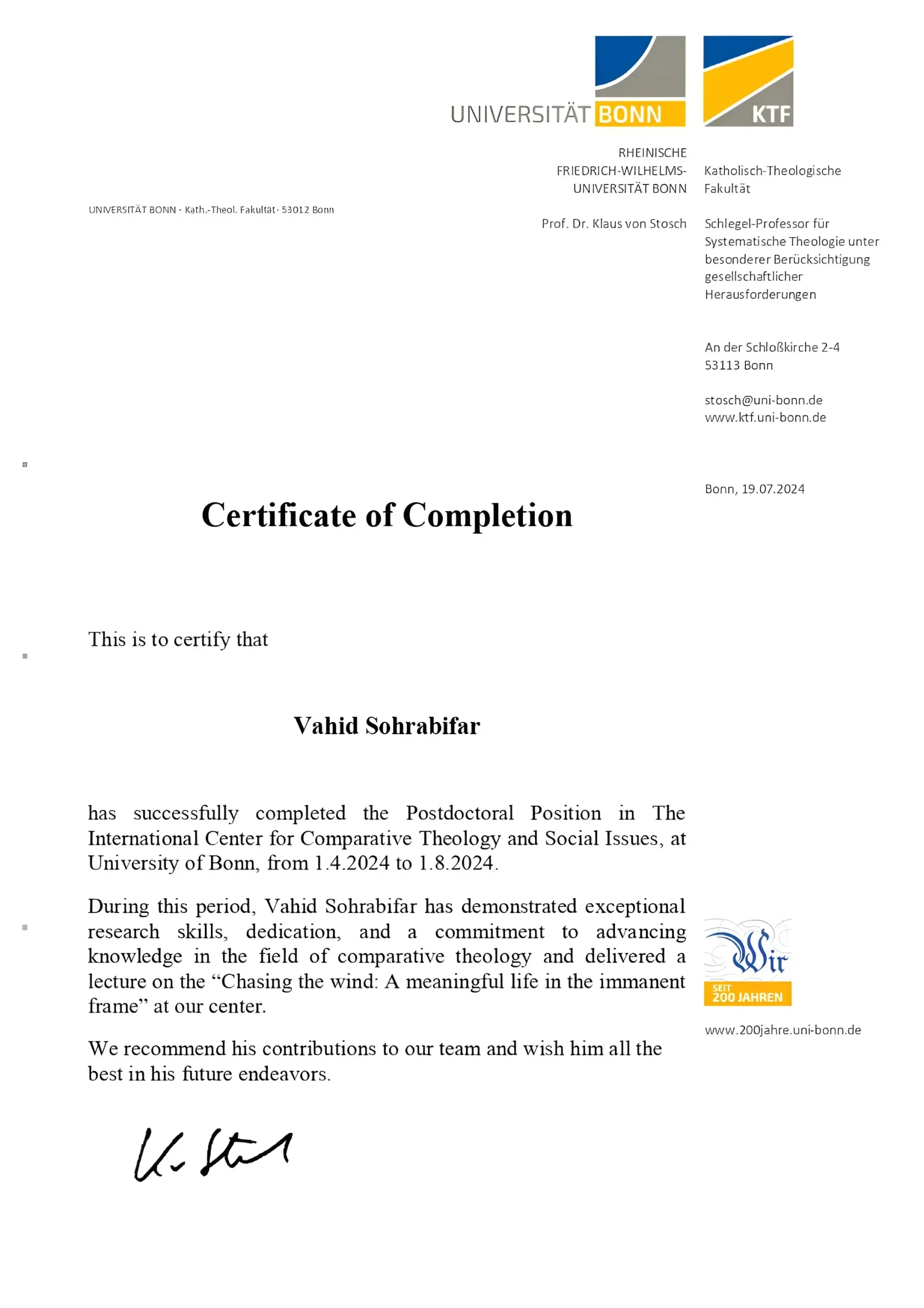
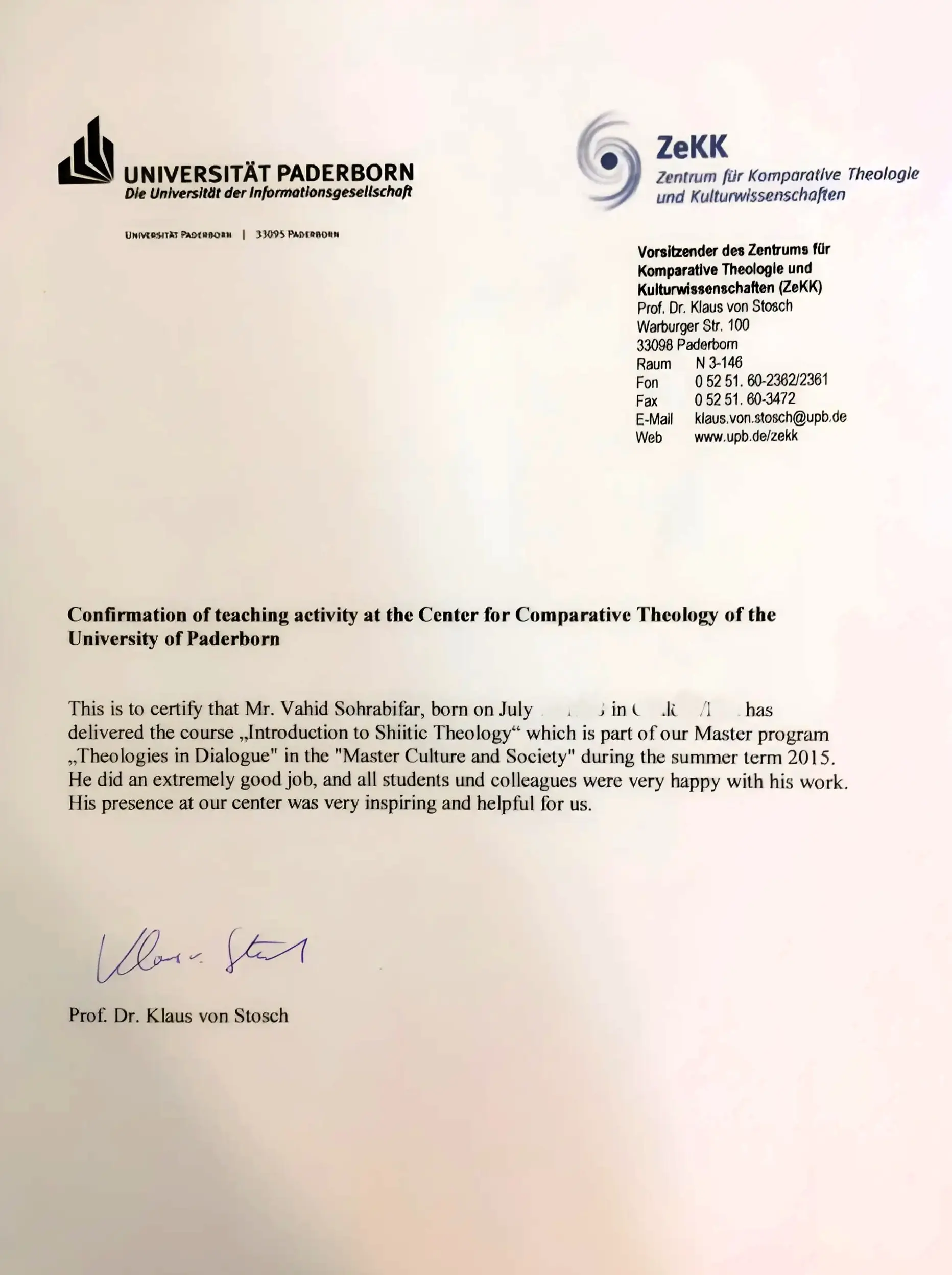
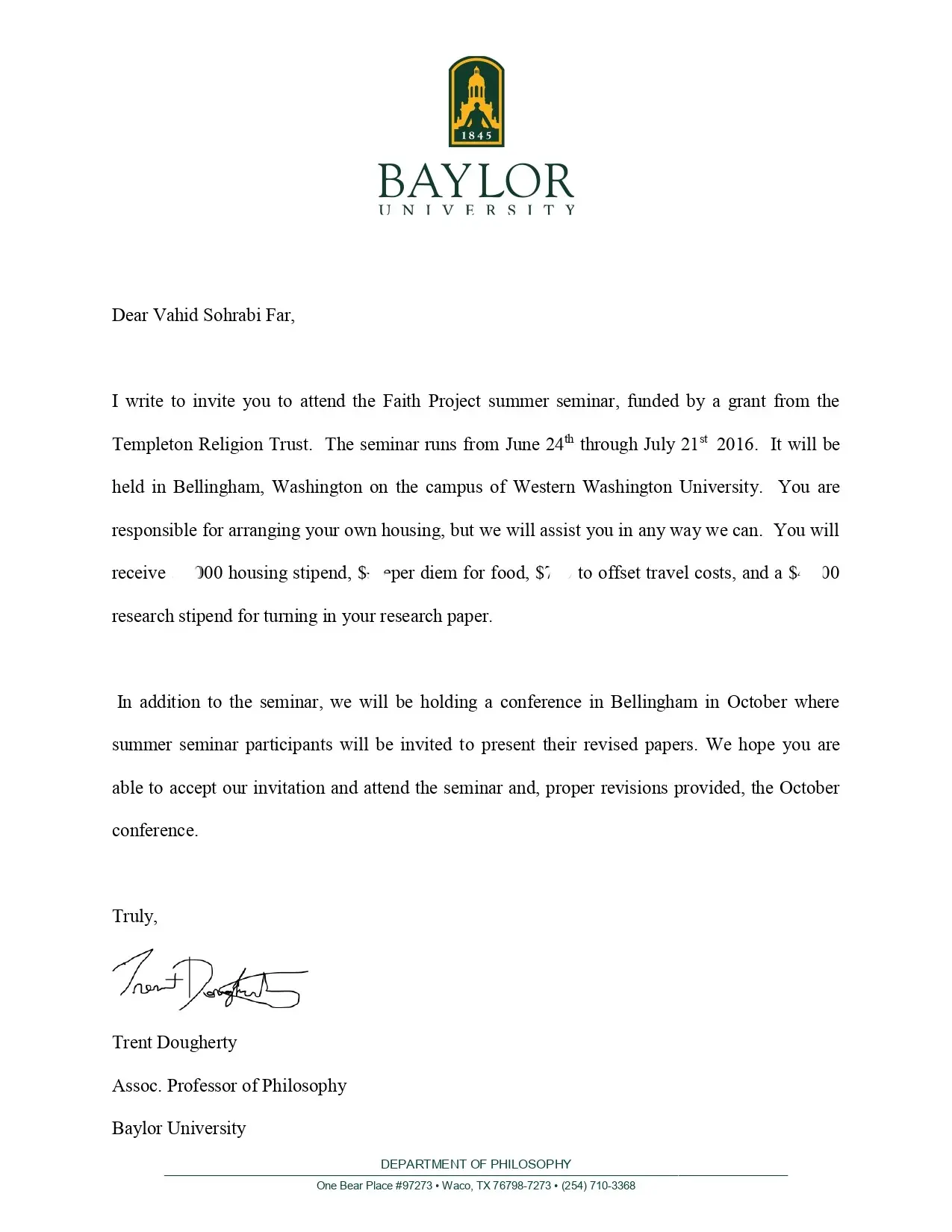
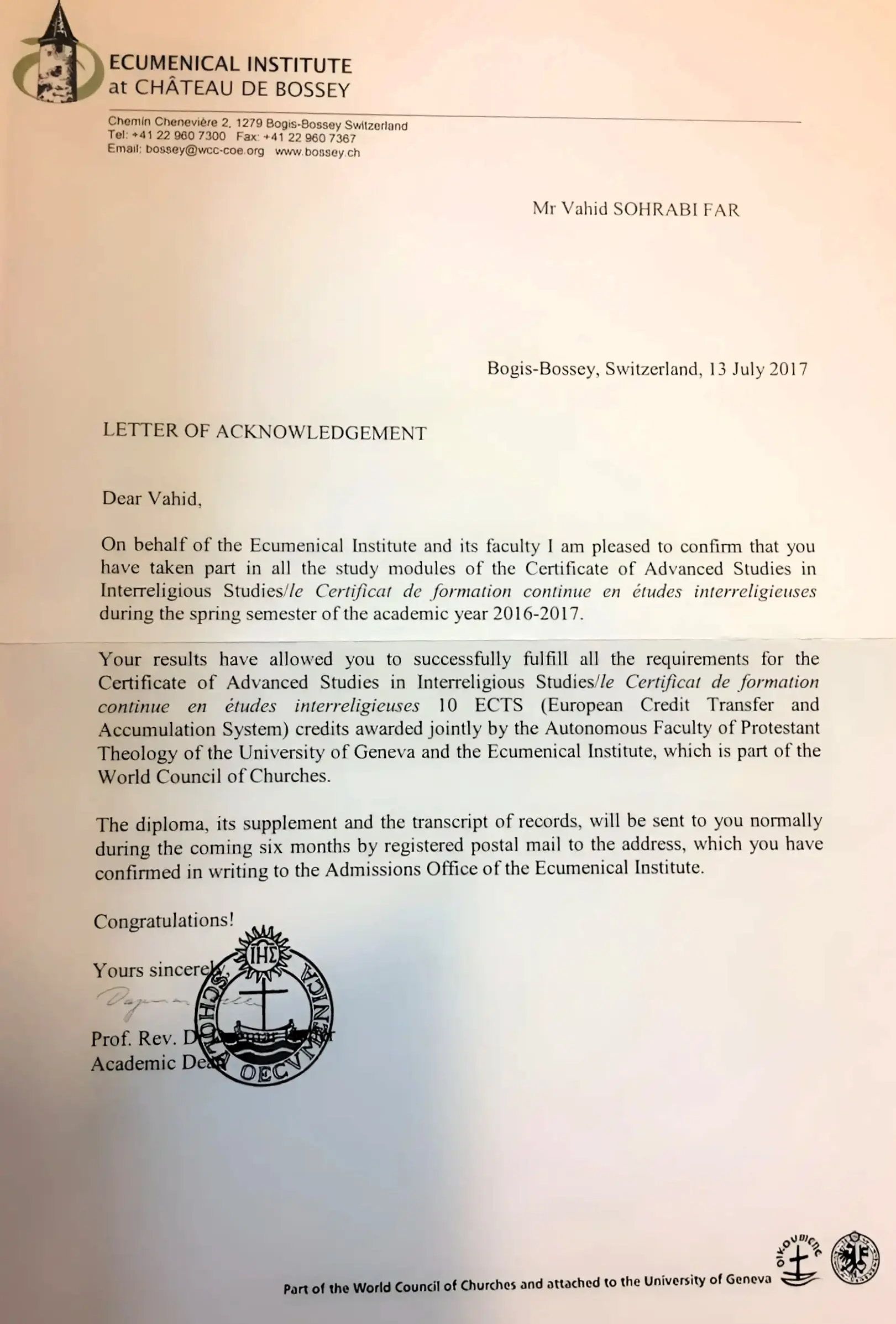
My academic journey took me from the study of Islamic theology and jurisprudence at their roots from the Qom Seminary, to a PhD in Religious Studies, and eventually to postdoctoral research at the University of Bonn in 2024. Along the way I taught as a visiting professor at Paderborn University, worked as a researcher with the John Templeton Foundation’s Faith Project, and participated in interfaith dialogue programs at the World Council of Churches in Geneva. These were not just passport stamps; each experience forced me to translate — not only between languages, but between entire frameworks of meaning.
My research sits at the intersection of analytic philosophy of religion, existentialism, and Islamic-Iranian philosophical-mystical thought. I have written on absurdity, narrative, and the meaningful life — drawing on Nagel and Camus alongside Rumi and Mulla Sadra. My book on Charles Taylor and the consequences of modernity for religion grew out of a simple conviction: Taylor’s diagnosis of the secular age reads very differently when you approach it from within a living spiritual tradition rather than from outside it.
Today I serve as Associate Professor of Philosophy of Religion and Dean of the Faculty of Literature and Humanities at the University of Religions and Denominations in Iran.
Most English-language writing on meaning, spirituality, and existential wellbeing draws from a narrow band of sources. The Islamic and Iranian philosophical heritage — with its sophisticated accounts of the self, the sacred, and the absurd — is largely invisible in that conversation.
Meaningly is my attempt to change that. Modern life has left many people adrift — facing emptiness, a restless and homeless mind, the quiet ache of a life that feels unmoored. I come to these questions not just as a philosopher, but as someone who has sat with them. At Meaningly, I draw on diverse intellectual traditions — especially the Islamic and Iranian philosophical-mystical heritage — to explore what these challenges actually demand of us, and what older wisdom still has to say. If you are a researcher, student, or simply someone who takes these questions seriously, I invite you to join me on this path